
Erosion Control Techniques
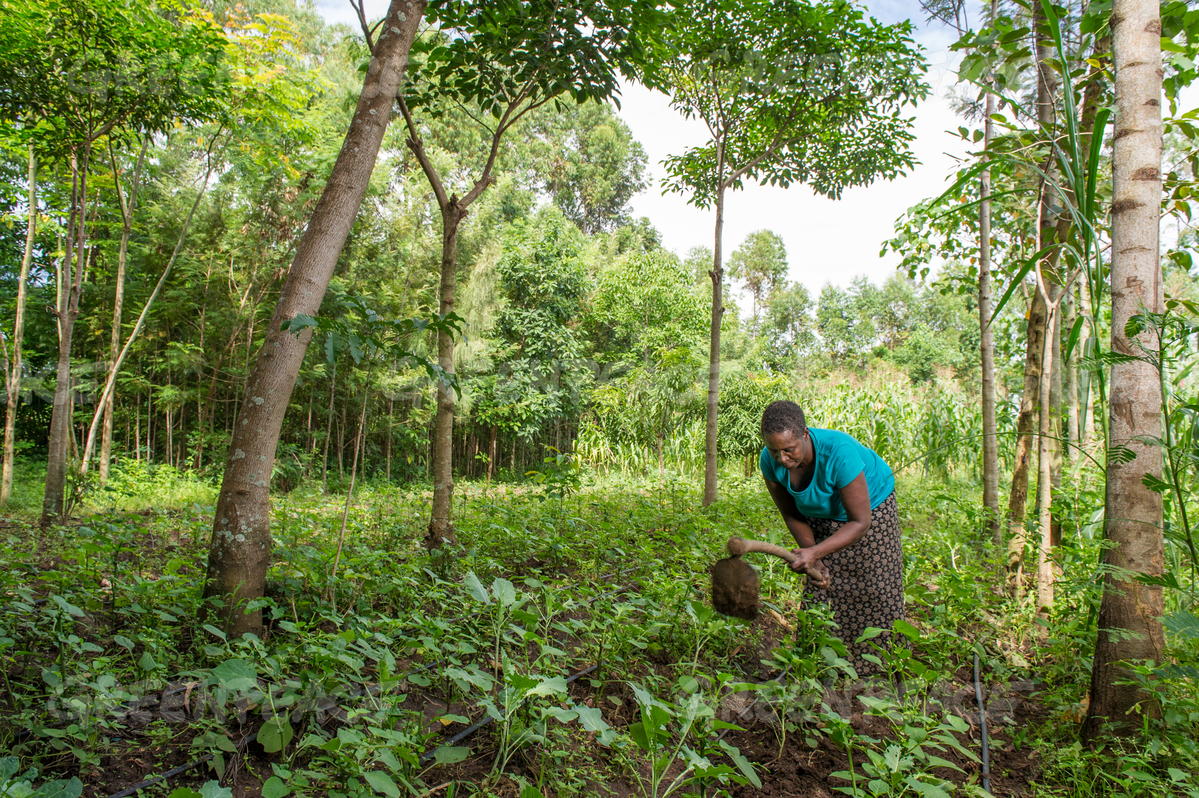
EROSION CONTROL TECHNIQUES
Erosion control techniques help farmers, land managers and communities protect soil from being washed or blown away and restore land that has already been degraded. Soil erosion is one of the most serious threats to global food security: once topsoil is gone, it takes centuries to recover. Greener.Land brings together 30+ proven erosion control techniques from around the world. Use our free interactive tool to find the intervention that matches your landscape, climate, and resources.
Why erosion control matters
Soil erosion affects every continent and every type of landscape. Wind strips bare fields of their topsoil. Water cuts gullies through farmland. Overgrazing removes the vegetation that holds soil in place. Once the topsoil is gone, the land loses its capacity to grow food, retain water, and support biodiversity.
The scale of the problem is significant. Around 75 billion tonnes of soil are lost to erosion every year globally, and on degraded land, crop yields can fall by 50% or more. For smallholder farmers who depend entirely on what their land produces, soil erosion is not an environmental issue but a livelihood crisis.
Effective erosion control requires matching the right technique to the right landscape. A stone line that works well on a gently sloping semi-arid field may be entirely wrong for a steep tropical hillside. A swale that holds water on one soil type may waterlog another. This is exactly what the Greener.Land tool is built to solve
How to choose the right erosion control technique
The most effective erosion control technique depends on several factors working together. Before selecting an intervention, consider the following:
- Type of erosion — water erosion (sheet, rill, gully), wind erosion, or coastal erosion each require different approaches
- Slope gradient — gentle slopes (0–5%) suit stone lines and Zai Pits; steep slopes (5–50%) call for Eyebrow Terraces, Fanya Juu or Fanya Chini
- Rainfall — techniques like Negarim and Charco Dams are designed for areas with 150–300 mm per year; others require 600 mm or more
- Soil type — permeable soils respond well to infiltration techniques; clay or vertisol soils require different solutions
- Available labour and materials — some techniques like stone lines and Zai Pits require only local materials and manual labour; others like Gabions or Dune Fencing involve purchased materials
Greener.Land was developed by Nature²Squared, Justdiggit and SamSamWater to give farmers, NGOs and land managers practical, field-tested guidance on landscape restoration and erosion control. Every technique in our database has been applied in real projects across Africa, Asia and beyond.
Below is the full list of erosion control techniques available on Greener.Land. Each page includes the conditions under which the technique works best, step-by-step implementation guidance, required resources, and field examples.
Water erosion control
- Fanya Juu — contour ridges and ditches that slow runoff and prevent water and soil loss on slopes of 5–20%
- Fanya Chini — retention trenches facing downslope that reduce erosion on 1–25% slopes with 300–600 mm rainfall
- Stone Lines — stones placed along contours to slow runoff and increase water infiltration on slopes up to 5%
- Contour Bunds — earth bunds along contour lines that capture rainwater and reduce surface runoff
- Eyebrow Terraces — handmade micro basins on steep slopes (up to 50%) that collect runoff and support vegetation
- Semi-Circular Bunds — half-moon shaped earth basins for water harvesting on slopes up to 15%
- Zai Pits — planting pits that collect water and nutrients, suitable for flat to gently sloped dryland terrain
- Swales — contour ditches that capture and infiltrate runoff, preventing soil and nutrient loss
- Water Spreading Bunds — earthen bunds that spread floodwater across flat land near watercourses
- Negarim — diamond-shaped micro catchments for arid zones with rainfall from 150 mm/year
- Gully Rehabilitation Stem Cuttings — living check dams made of stem cuttings to stop active gully erosion
- Gabions — stone-filled wire baskets placed in streams and gullies to slow water flow and prevent further erosion
- Riparian Buffer Zones — vegetation strips along riverbanks that filter runoff, reduce bank erosion and protect aquatic ecosystems
- Charco Dams — traditional water harvesting dams for arid and semi-arid East Africa
Soil cover and vegetation-based erosion control
- Cover Cropping — off-season crops that protect bare soil from erosion, suppress weeds and improve soil health
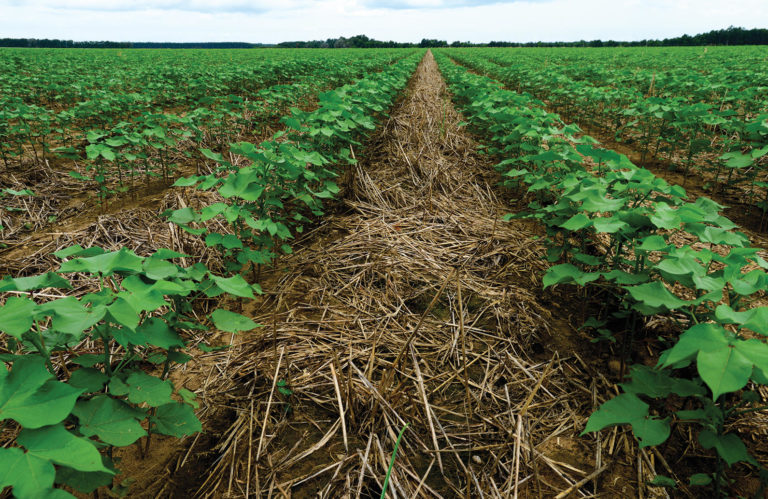
- Mulching — applying organic material to the soil surface to retain moisture, reduce evaporation and prevent erosion
- Vegetative Lines — vetiver grass hedges along contours that slow runoff and retain sediment, reducing water runoff by 57% and soil loss by 80%
- Alley Cropping — rows of trees or shrubs between crop rows that slow water runoff and increase water absorption
- Companion Planting — growing multiple crops together to improve ground cover, reduce wind exposure and protect soil
- Conservation Agriculture — minimum tillage, permanent soil cover and crop rotation to protect soil structure and prevent erosion
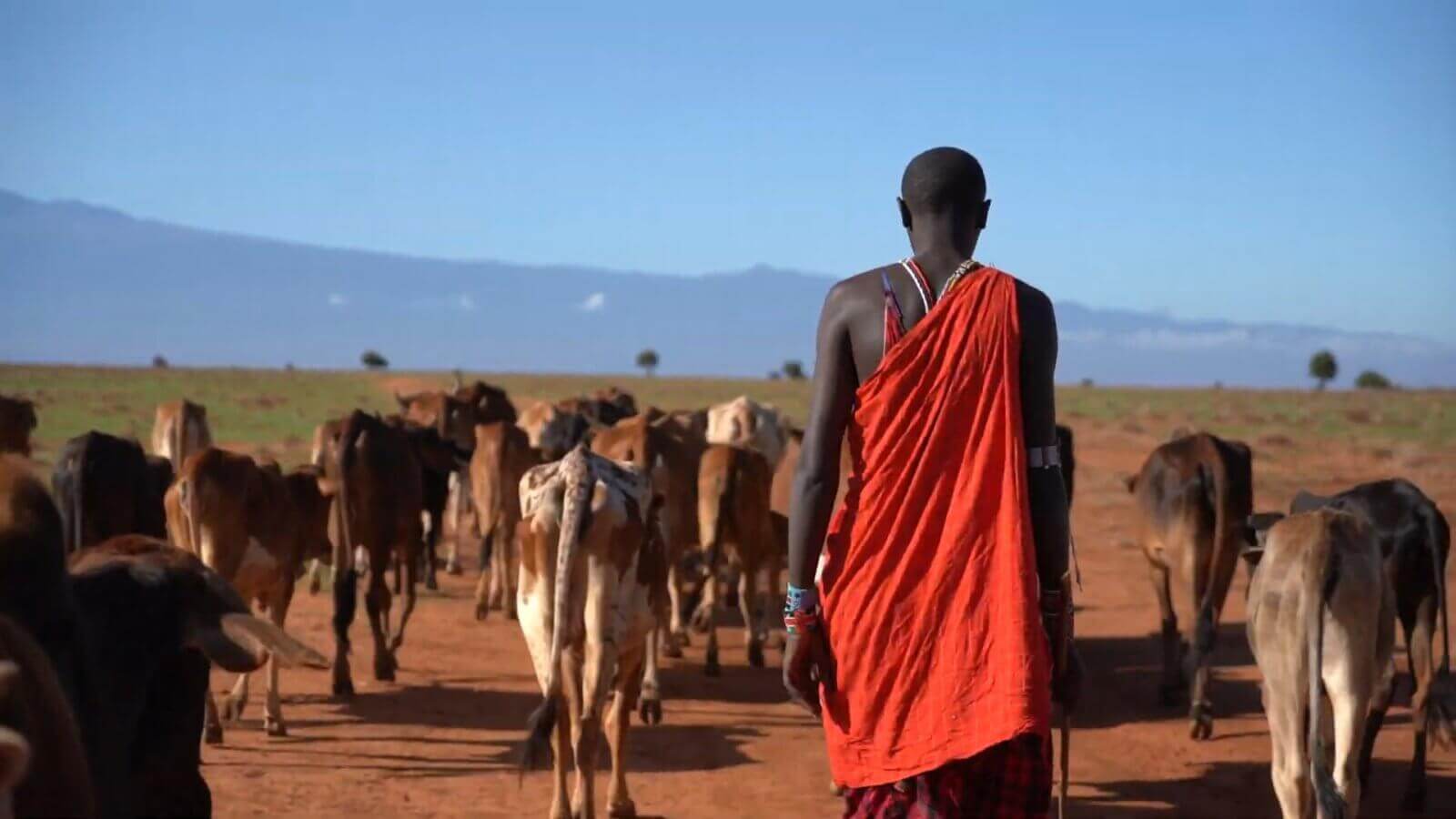
- Grazing Management — managed livestock systems that prevent overgrazing and protect vegetation cover
- Exclosures & Enclosures — fenced areas that allow vegetation to recover and soil structure to rebuild
- Assisted Natural Regeneration — supporting natural regrowth by removing barriers to vegetation recovery on degraded land
- Miyawaki Forest — dense native forest planting that creates canopy cover, retains rainfall and builds soil
- Tree Islands — strategic cluster planting that creates biodiversity hotspots and accelerates natural forest recovery
- Multi-storey Cropping — multiple crop layers that increase soil cover, reduce runoff and improve soil fertility
- Muvuca Direct Seeding — high-diversity native seed planting that builds robust root systems and soil stability
Coastal and dune erosion control
- Dune Planting — establishing vegetation on coastal and inland dunes to trap sand and prevent wind erosion
- Dune Thatching — covering exposed dune faces with organic material to stabilize sand and protect new vegetation
- Dune Fencing — semi-permeable fences that encourage sand accumulation and reduce wind erosion
- Grass Seed Banks — community-managed native grass repositories that restore vegetation cover in degraded areas
